
healing in connection
being, learning & changing with our bodySomatic Experiencing (SE™)Therapy
Elisa Peterson, MEd, SEP
SE™ Training Assistant & SE™ Credit Provider
- SE Personal Session Provider at : Beg, Int, & Adv
- SE Individual Case Consult Provider: Beg & Int
- SE Small Group Case Consult Provider: Beg
- Next Small Group Consult: June 10th @ 3:30pm PDT
About SE 🌿
Somatic Experiencing (SE™) is a gentle, body-centred approach that supports you and the many changes you experience throughout your life. When you begin to feel the impact of life’s challenges, stress or trauma , SE can help your body heal symptoms of trauma, chronic stress, and stress-related disorders.
SE does not require you the client to re-tell or re-live traumatic events. Instead it offers you a compassionate space to reconnect with your body and gradually release symptoms of trauma and stress.
I will guide you to gradually track body sensations in a way that feels manageable and supportive. When our nervous system begins to settle, we start to feel better in our body, build resiliency to stress, regain a sense of wholeness and inner balance and increase our capacity for vitality.
Areas of Specialization
- Anxiety
- Sexual Violation and Intimate Partner Violence (IPV)
- PTSD & Early Developmental Trauma
- Women’s Spirituality
Symptoms of Trauma SE can Help
- chronic pain
- chronic fatigue
- migraines
- sleep disturbances
- digestion issues
- anxiety and depression
Do SE sessions involve touch work?
SE Touch is a quiet process where my hand is held still. Like all SE sessions, I will guide you as you track your body sensations. Using touch is not a necessary component of your session- the decision is always yours. Touch can be a helpful way to connect to your body and regulate your nervous system. Each person and each session are unique.
Areas that touch can be particularly helpful:
- Working with Early Shock Trauma, Early Developmental Trauma or Complex Trauma
- Helping a client learn to differentiate between appropriate, caring touch and inappropriate, harmful touch
- When the use of verbal language is limited, either due to disability or language
What types of trauma can SE help?
As human beings we don’t readily settle our heightened nervous system and come back down to rest after being activated by threat and stress. When that happens, what can show up over time are various physiological symptoms that are the body’s way of coping and managing high levels of activation in our body. Chronic pain and fatigue are common symptoms of dysregulation. Others can include digestive issues, headaches, mental fogginess, lack of motivation or poor sleep patterns such as insomnia.
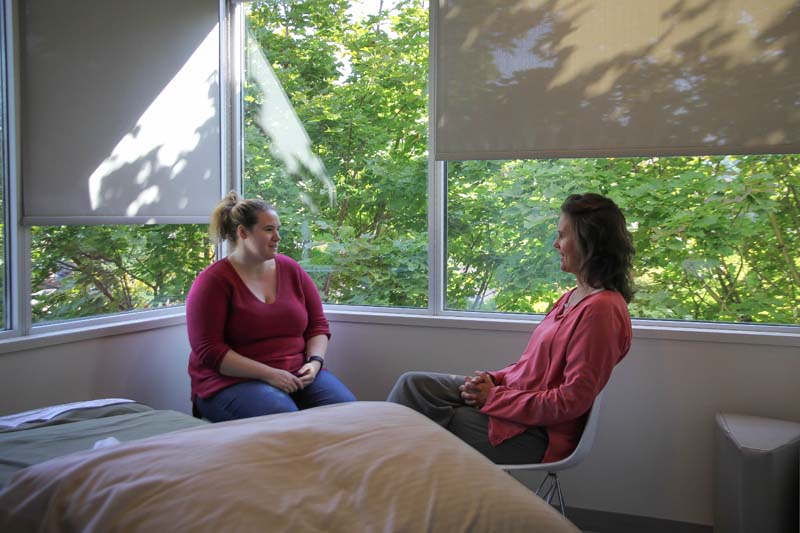
Booking Your SE Appointment:
- Virtual Appointments through Jane App
- In-Person Appointments @ Canopy Integrated Health located in North Vancouver, BC.
- Sliding scale available: please Contact Elisa.
Contact Elisa
- email @ elisa@elisapeterson.ca
- phone @ 778-688-6824

©ELISA PETERSON 2022